Optimizing Food Freshness: The Ultimate Guide to Refrigerator Temperature Zones

Proper food storage is a critical element of maintaining freshness and safety, yet many people aren’t aware of the importance of specific temperature zones in their refrigerators. Different foods require different storage conditions, and understanding how to utilize the temperature zones of your fridge can significantly extend the shelf life of your groceries while preserving flavor and texture.
In this guide, we’ll break down the best temperatures for different foods and offer tips on how to make the most of your fridge's cooling capacity. We’ll also highlight the benefits of using a Smad Gas Fridge, a versatile solution that provides efficient cooling both indoors and outdoors.

Understanding Your Fridge's Temperature Zones
Most refrigerators are designed with multiple temperature zones, each suited to different types of food. Here’s an overview of the main areas in your fridge and what foods should go in each one to ensure they stay fresh for longer.
Top Shelf – Ready-to-Eat Items
The top shelf is typically the warmest part of the fridge. This is where you should store foods that require minimal preparation and are usually eaten right away, such as deli meats, leftover meals, and beverages. Keep these items at the front for easy access.
Middle Shelf – Dairy Products
The middle section is usually the most stable area temperature-wise, making it ideal for dairy products like milk, cheese, and yogurt. By storing these at the proper temperature (around 37°F or 3°C), you can ensure they retain their flavor and quality for longer.
Lower Shelf – Raw Meats and Fish
The bottom shelf is the coldest part of your fridge, making it the perfect location for storing raw meat, poultry, and fish. This helps slow down bacterial growth and minimizes the risk of contamination. Be sure to place these items on a tray or dish to catch any juices and avoid cross-contamination.
Crisper Drawers – Fruits and Vegetables
The crisper drawers are designed to maintain higher humidity levels, which are ideal for storing fruits and vegetables. However, it's important to store them separately:
Fruits: Most fruits should be placed in the high-humidity drawer to prevent moisture loss.
Vegetables: Store vegetables in the low-humidity drawer to keep them crisp and fresh.
Freezer – Long-Term Storage
The freezer should be set to 0°F (-18°C) to ensure that frozen foods remain safe and of good quality. Use this section for longer-term storage of meats, frozen meals, and vegetables.
Ideal Storage Temperatures for Common Foods
Each type of food benefits from being stored at a specific temperature range to preserve its freshness. Here’s a list of common foods and their optimal storage temperatures:
Meat and Fish: Should be stored at 32°F (0°C) to slow down spoilage and maintain freshness.
Eggs: Best kept at 35–40°F (1.5–4.5°C) to prevent aging and maintain their texture.
Dairy: Cheese, milk, and yogurt should be stored at 37°F (3°C) to preserve their flavor and texture.
Fruits: Most fruits should be kept at around 40–45°F (4.5–7°C), with berries stored at a slightly lower temperature (35°F or 1.5°C).
Vegetables: Store most vegetables at 40–45°F (4.5–7°C), but leafy greens benefit from even colder temperatures (around 34°F or 1°C).
Leftovers: Ensure leftovers are stored promptly at temperatures of 40°F (4°C) or lower to minimize bacterial growth.
Common Mistakes to Avoid in Your Fridge
Maximizing the efficiency of your fridge is key to prolonging the freshness of your food. Here are some mistakes to avoid:
Overloading the Fridge: Too many items can block airflow, leading to uneven cooling and food spoilage. Leave enough space for air to circulate to ensure consistent cooling.
Setting the Wrong Temperature: If your fridge is too warm, food will spoil faster. If it’s too cold, food may freeze unnecessarily, impacting texture and flavor. Keep your fridge set to the ideal temperature range (37°F or 3°C) for maximum effectiveness.
Storing Items Improperly: Use airtight containers to keep your food fresh and prevent odors from mixing. Properly sealing food helps maintain humidity levels and prevents contamination.

Why Choose Smad Gas Fridges for Your Cooling Needs
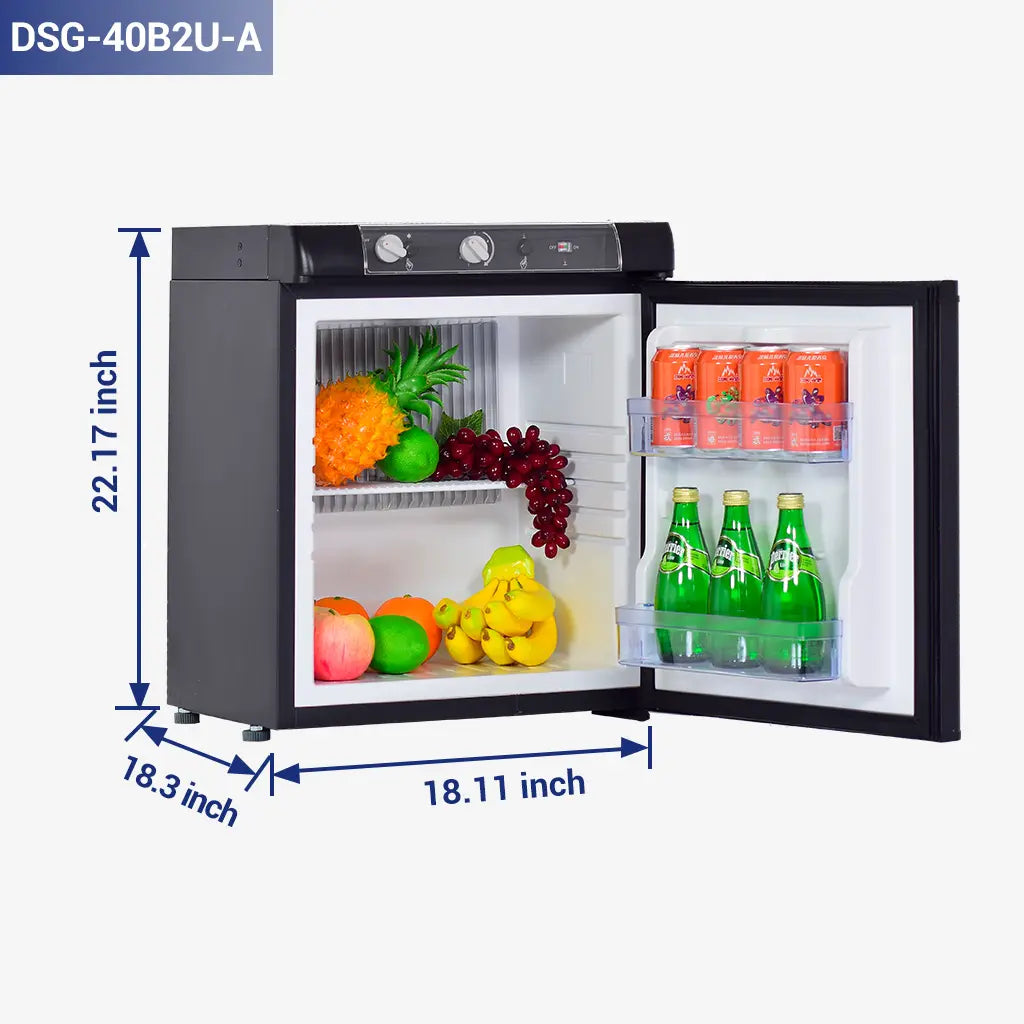
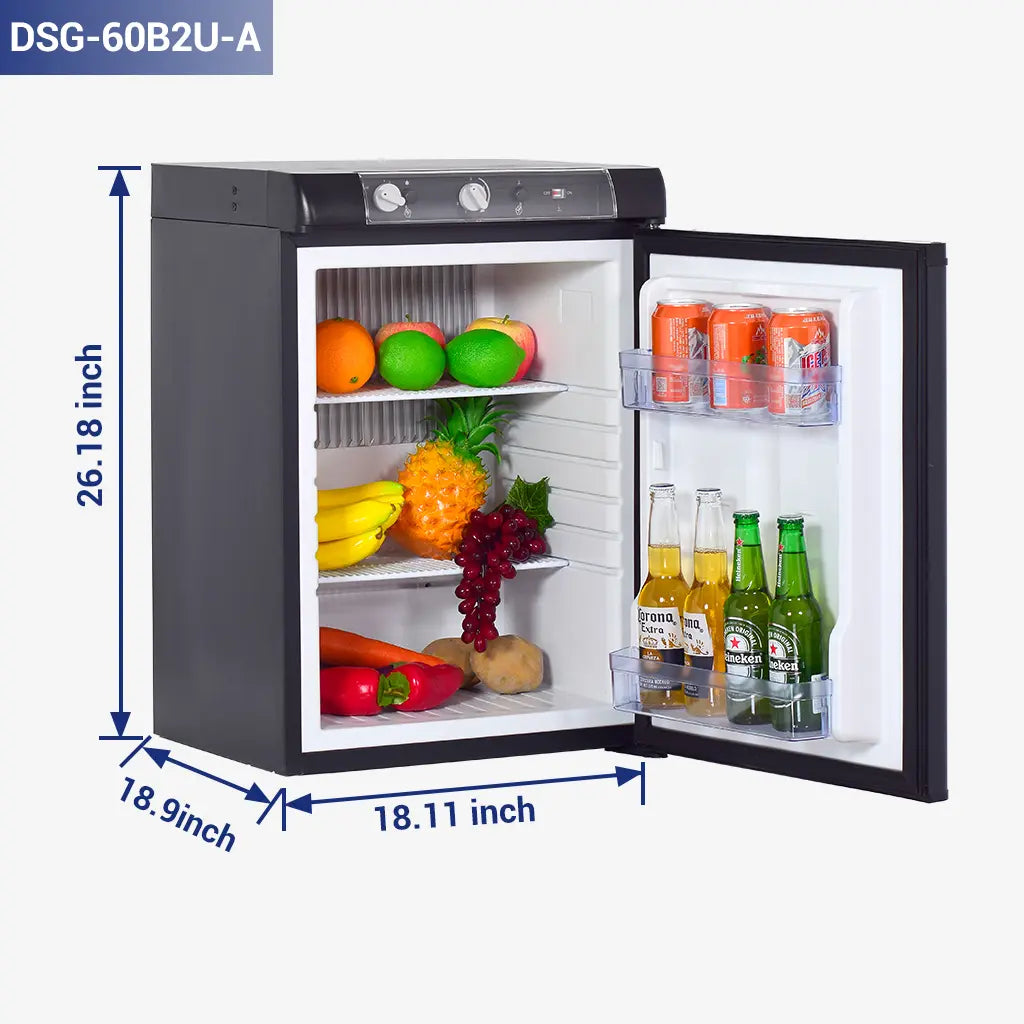
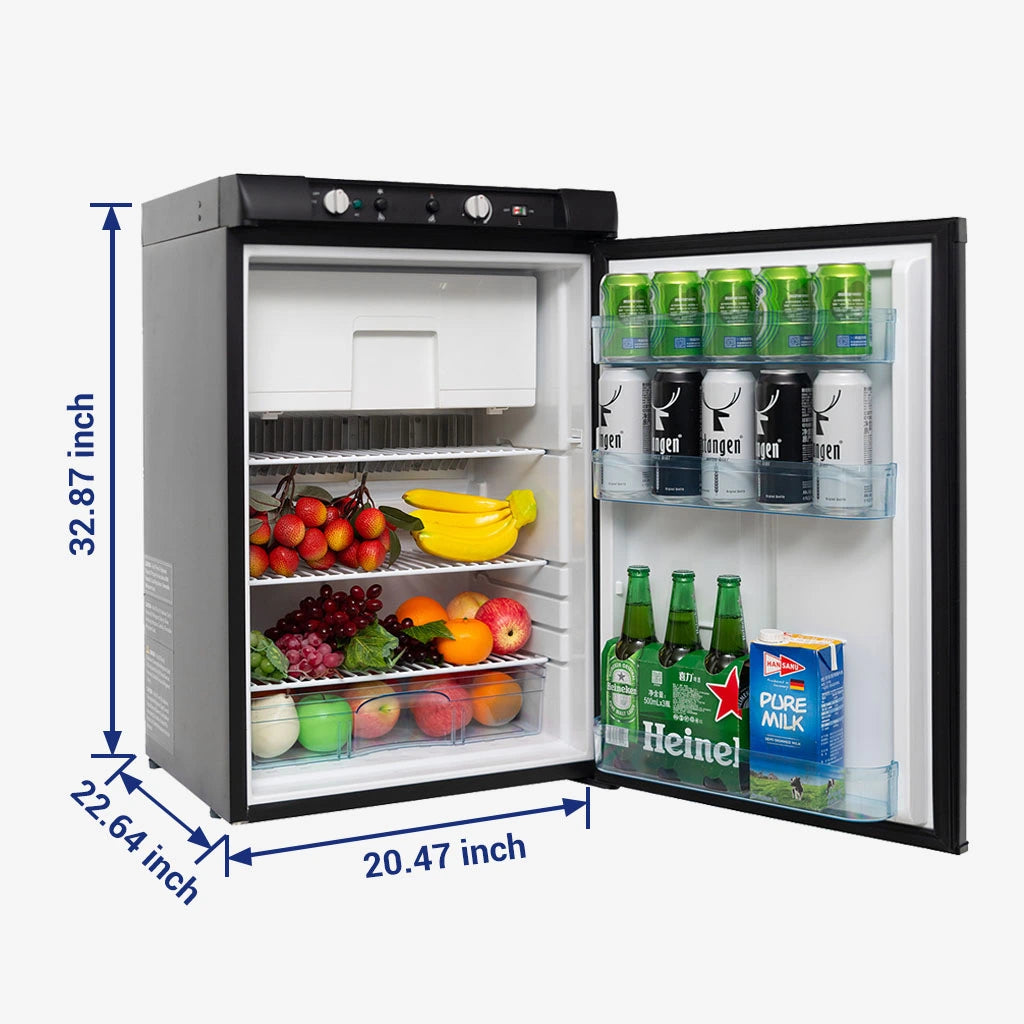
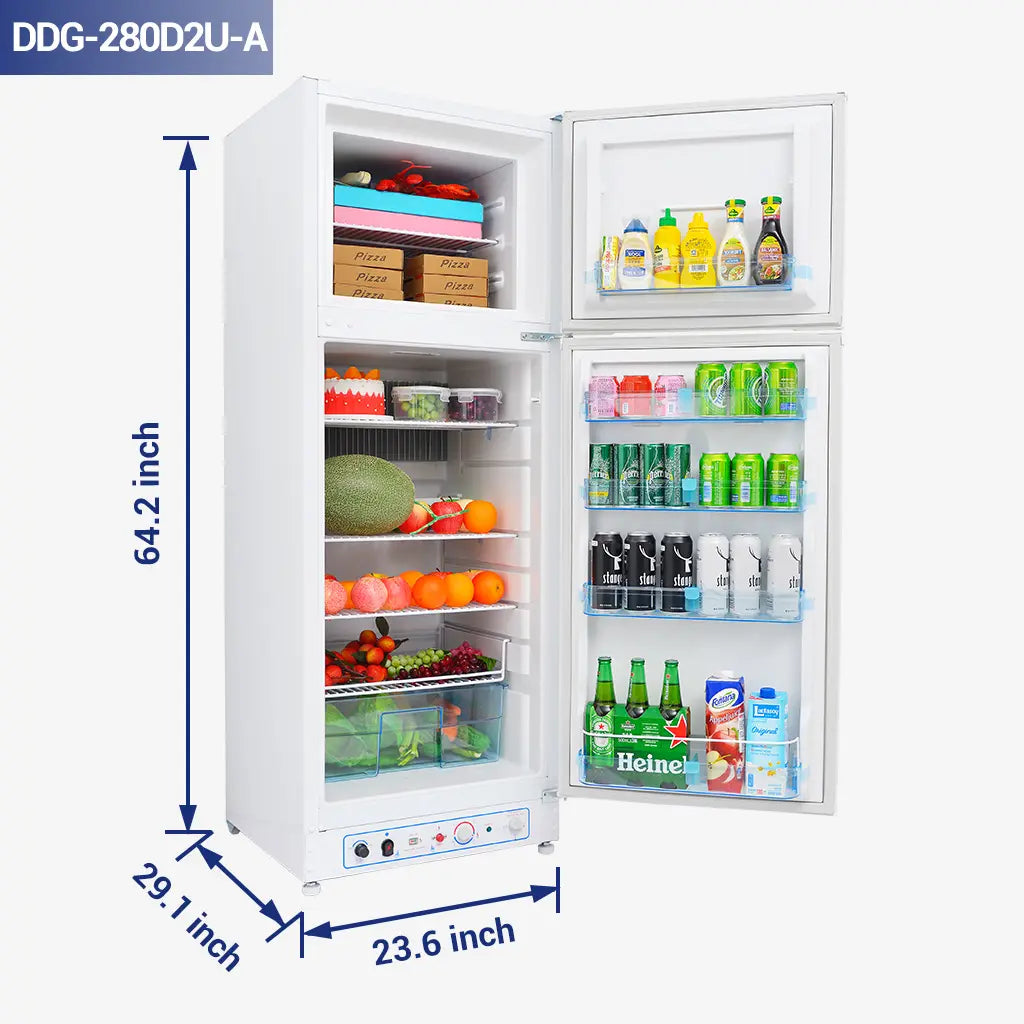
For those looking for a versatile, reliable fridge for both indoor and outdoor use, the Smad Gas Fridge offers the ideal solution. Designed to run on both electricity and propane, this fridge is perfect for a wide range of situations—from home kitchens to off-grid cabins, RVs, and outdoor adventures. The Smad Gas Fridge provides efficient, silent cooling without the need for a compressor, making it an excellent choice for those seeking both convenience and flexibility.
Features of the Smad Gas Fridge:
Dual Power Options: Operates on electricity indoors and gas outdoors, ensuring versatility.
Silent Operation: Enjoy a peaceful environment with no noisy compressors.
Efficient Cooling: Keeps your food fresh while using minimal energy.
Durable Design: Built to withstand outdoor conditions, making it ideal for off-grid living.
The Smad Gas Fridge ensures your food stays fresh and safe, no matter where you are, while offering the flexibility to switch between electric and gas power sources. Perfect for home use, RVs, and outdoor adventures, this fridge is the ultimate cooling solution for modern living.
Conclusion
Understanding the temperature zones in your fridge is essential for extending the life of your food. By storing your groceries at the right temperatures and avoiding common mistakes, you can maximize freshness and minimize waste. Whether you’re at home or enjoying the great outdoors, the Smad Gas Fridge is the perfect companion to ensure your food stays perfectly chilled, no matter the environment.
Tags
Explore Top Sellers